








 Adrian Carrera
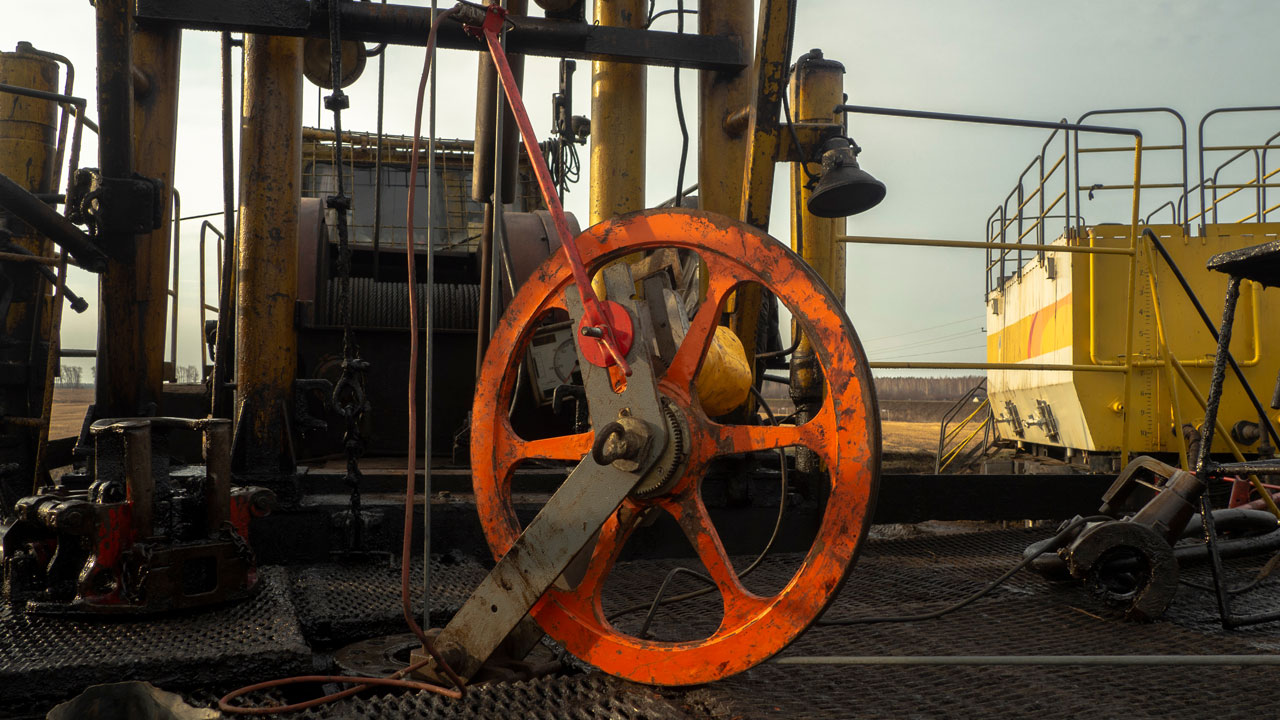
Sheaves can appear mechanically simple: a grooved wheel guiding a rope, cable, or belt under load.
In service, however, a sheave operates as part of an interacting assembly that includes a bearing interface, thrust surfaces, a shaft or pin, and supporting structure. How that internal interface behaves under load and motion often determines whether the overall sheave system runs smoothly (or degrades quickly).
Dirty environments make this especially clear: abrasive dust, grit, moisture, and debris introduce wear mechanisms that can overwhelm conventional assumptions about material behavior and maintenance intervals.
In these settings, the engineering case for focusing on sheave bearings is straightforward: contamination and friction-driven wear tend to concentrate at the rotating interface where the sheave rides on its shaft.
In this article, we define what “dirty environment” means for sheaves, outline associated applications, and examine why bearing material selection and lubrication strategy are key to service life in contamination-heavy conditions.
What Is a “Dirty Environment” Sheave Application?
A “dirty environment” sheave application is any operating context where contaminants routinely enter the sheave assembly and interact with the rotating interfaces, especially the bearing and thrust surfaces. This can include abrasive dust, mud, fibers, bulk material fines, airborne grit, washdown residue, and moisture that carries particulates into contact surfaces. For a deeper look at marine-specific sheave issues, see our blog here.
These conditions matter because some of a sheave’s most critical wear surfaces are internal. The groove may experience contact wear from the rope or cable, but many system-level failures develop from friction and wear at the bearing interface, where contaminants can disrupt lubrication films, embed into softer materials, and increase drag over time.
Example Sheave Applications in Dirty Environments
Dirty-environment sheaves appear across industries where equipment runs outdoors, handles bulk materials, or operates near debris-generating processes. Common examples include:
- Material handling equipment like cranes, hoists, gantry systems, and automated handling equipment.
- Mining equipment such as draglines, conveyors, hoisting systems.
- Forestry and logging systems, including harvesting, skidding, material handling equipment.
- Construction lifting and rigging systems, including mobile cranes and frequently relocated equipment
- Manufacturing environments with dust, fines, or process debris near motion components
Key Engineering Challenges for Sheaves in Dirty Environments
Dirty environments change the failure math for sheaves because contamination interacts with load, motion, and lubrication at the same time. Several challenges show up repeatedly:
- Contamination-driven wear at the bearing interface. Abrasives can migrate into the bearing region and increase wear rate even when static load capacity looks sufficient.
- Lubrication becomes a liability. Traditional sheave systems often rely on greased metal bearings. In dirty service, grease can trap and hold debris, turning the lubricant into a grinding medium that accelerates wear rather than reducing it.
- Misalignment and mounting tolerances compound uneven wear. Sheaves are typically captured in blocks or frames with limited ability to “float” into alignment. Small variations in mounting or shaft straightness can introduce uneven loading that accelerates wear, especially when contaminants disrupt surface behavior.
- Moisture and corrosion can stack with debris. Many dirty environments are also wet (rain, washdowns, slurry, humidity). In metal-bearing systems, corrosion can create surface pitting that accelerates wear and increases drag, making contamination effects worse.
Taken together, these conditions often push sheave performance challenges toward the bearing interface when dealing with dirty conditions.
Taking Advantage of Self-Lubricating Bearing Materials in Dirty-Environment Sheave Design
Because many dirty-environment failures are tied to lubrication breakdown and contamination-driven wear, self-lubricating bearing materials provide a direct engineering response, especially when maintenance access for re-greasing is limited.
For example, TriStar’s performance polymer and composite materials are frequently specified in sheave bearing applications where contamination and maintenance constraints make traditional greased bearings difficult to sustain. Materials such as CJ® / FCJ® filament-wound composite bearings provide high load capacity along with corrosion resistance and self-lubricating performance. In heavier-duty industrial environments, Ultracomp® composite bearings are engineered to withstand high compressive loads, vibration, and contamination while maintaining stable wear characteristics.
Learn More: Engineering Sheave Bearings for Real Operating Conditions
Dirty environments tend to expose what’s already true about sheave systems: performance depends on how materials, bearings, thrust surfaces, alignment constraints, and operating conditions interact over time, not on any single catalog specification.
If you’re evaluating materials for a contamination-heavy application or diagnosing premature wear in a sheave assembly, TriStar’s team is here to help.
Explore our engineering-focused guide to sheave bearings to learn more.
