





 Dave Biering
I recently had a conversation with a manufacturer about bearing materials and the growing importance of tribology testing. With counterfeit and substandard bearing materials increasingly common in the supply chain, verifying material authenticity before production is no longer just a formality, but a critical engineering step.
At TriStar Plastics, tribology testing is a core part of how we help customers validate bearing materials, predict real-world performance, and avoid costly downstream failures. This article explains what tribology testing is, why it matters, and how it protects your product, your customer, and your brand.
The Growing Risk of Counterfeit Bearing Materials
Many processors claim to sell “original” or “equivalent” bearing materials, but in practice, these products are often blends of lower-grade resins that fail to meet published performance data.
The challenge?
Counterfeit materials frequently:
- Look identical to genuine materials
- Feel similar during handling and machining
- Pass basic dimensional inspection
But under load, heat, and motion, they behave very differently.
Without proper testing, manufacturers may not discover material deficiencies until:
- Bearings wear prematurely
- Friction spikes unexpectedly
- Equipment overheats or seizes
- End users experience failures in the field
Tribology testing provides a data-driven way to confirm that a material performs as specified, not just that it looks right.
What Is Tribology and Why It Matters for Bearings
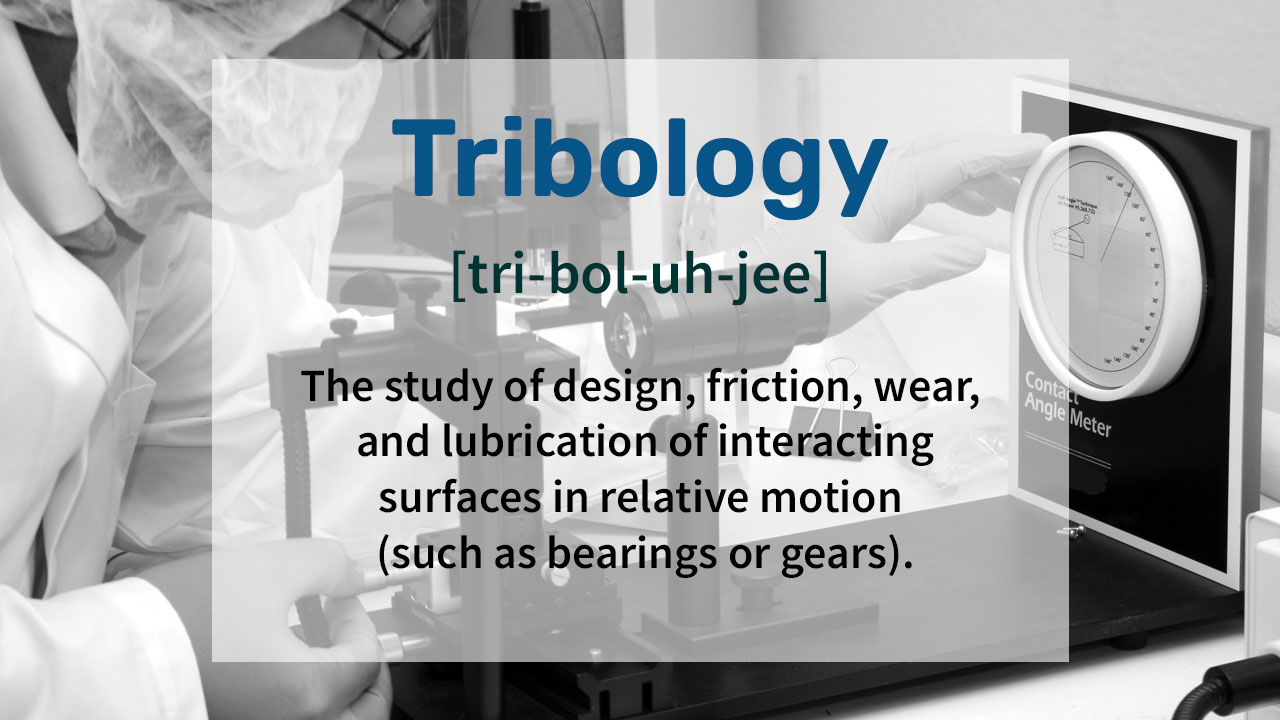
Tribology is the science of friction, lubrication and wear. For plastic and composite bearings, tribology testing evaluates how materials behave when surfaces move against one another under controlled conditions. Tribology testing allows engineers to:
- Quantify coefficient of friction
- Measure wear rates over time
- Evaluate transfer film formation
- Predict bearing service life
- Validate self-lubricating performance
At TriStar, tribology data is used alongside ASTM testing and application analysis to ensure materials behave consistently in real operating environments.
Tribology Testing and Industry Compliance
Tribology also supports compliance with critical industry and regulatory standards, including:
- ASTM - Material and wear characterization
- EN - European performance standards
- CPSC - Consumer product safety
- Food, medical, and pharmaceutical regulations
In regulated industries, such as medical, pharma and food processing, material authenticity and predictable wear behavior are non-negotiable.
Tribology testing ensures:
- Materials are genuine and traceable
- Performance matches published specifications
- Bearings will not shed debris or fail unexpectedly
- Sanitation and safety requirements are met
What Tribology Testing Helps You Prevent
By incorporating tribology testing early in the design or sourcing process, manufacturers can:
- Guarantee material authenticity
- Identify defects before production
- Protect end users from underperforming bearings
- Eliminate shipment of defective components
- Avoid costly recalls, downtime, and warranty claims
In many cases, the cost of testing is insignificant compared to the cost of a single field failure.
Expert Note from TriStar: Tribology testing reveals how a bearing material truly behaves under motion, load, and time; not just how it looks on a datasheet. Our engineers use tribological data to validate material authenticity, predict wear rates, and ensure that self-lubricating bearings deliver consistent performance throughout their service life.
Beyond Tribology: Engineering Validation That Goes Further
Tribology is just one part of TriStar’s material validation process. Our engineering team also evaluates:
- Application-specific load and PV limits
- Temperature effects and thermal cycling
- Shaft hardness and surface finish compatibility
- Environmental exposure (dust, chemicals, moisture)
- Press fit and installation tolerances
This holistic approach allows TriStar to recommend bearing materials with confidence, backed by data, testing, and real-world experience.
Learn More About Genuine Bearing Materials
Want to explore the 7 key tribology tests that are required for polymer characterization? Download your free copy of our white paper, Rulon Bearings: How to Recognize Genuine and Avoid Counterfeit.
Tribology is just one of many analytical services that we offer. If you’re sourcing bearing materials, validating a supplier, or troubleshooting unexpected wear, TriStar’s engineering team can help you identify and test materials before problems reach production. Just Ask the Experts for a quote!
