Vibration Is a Leading Cause of Metal Bearing Failure
Bearing Vibration Is One Of The Primary Causes Of Failure In Metal Bearings
How Vibration Damages Metal Bearings
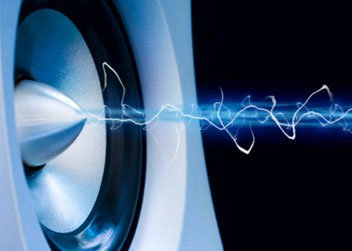
Repeated vibration causes fretting, a form of wear that occurs when two surfaces experience small, repetitive relative motion. In metal bearings, fretting removes the protective lubricant film and generates fine metal debris, which then acts as an abrasive and accelerates wear further. Vibration also loosens press fits over time, allowing bearings to walk out of position.
Why Composite Bearings Tolerate Vibration Better
Plastic and composite bearings have higher damping characteristics than metal, meaning they absorb vibrational energy rather than transmitting it directly through the assembly. This reduces noise, reduces fretting wear, and allows the bearing to tolerate a degree of shaft misalignment that would cause a metal bearing to bind or fail.
A: A type of wear caused by small, repetitive motion between two contacting surfaces, common in bearings exposed to constant vibration. It strips away protective films and accelerates material loss.
Q: Can plastic bearings handle shaft misalignment? +
A: Yes, composite bearings generally tolerate more misalignment than rigid metal bearings because of their damping properties and lower friction characteristics.
Q: Do composite bearings reduce noise? +
A: Yes. Their damping characteristics reduce the transmission of vibration and noise compared to metal-on-metal contact.
Fighting vibration-related failures in the field?
Ask a TriStar engineer about a composite bearing built to handle your exact operating conditions.