Need a bearing that runs efficiently without constant upkeep?
Why Initial Unit Price Is the Wrong Comparison
Metal and bronze bearings often look cheaper upfront. That comparison ignores the total cost of ownership: regreasing labor, lubricant purchasing, unplanned downtime, contamination-related cleaning or product loss, and early replacement. When those costs are added up over a bearing's service life, composite bearings frequently cost less overall despite a higher initial price.
Eliminates recurring lubrication labor and material cost
Reduces unplanned downtime from lubrication-related failure
Extends service intervals, reducing replacement part spend
Reduces contamination risk in food, pharma, and cleanroom settings, avoiding cleanup or recall costs
A Framework for Evaluating True Cost
Engineers evaluating maintenance-free bearings should weigh unit cost against expected service life, maintenance frequency, labor rate for servicing, and the cost of downtime per hour. A bearing that costs twice as much but lasts five times longer and needs zero maintenance is the more efficient choice in nearly every industrial application.
Where Maintenance-Free Bearings Matter Most
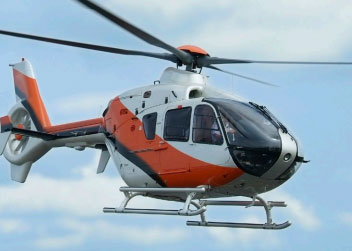
Maintenance-free bearings are especially valuable in aerospace, where access for servicing is limited and weight and reliability requirements are strict, as well as in remote or hard-to-reach industrial equipment where a maintenance visit is costly by itself, independent of the part being serviced.
FAQ
Q: What is a maintenance-free bearing? +
A: A bearing, typically a self-lubricating composite material, that requires no external grease, oil, or periodic relubrication over its service life.
Q: Are composite bearings more expensive than metal bearings? +
A: The unit price can be higher, but total cost of ownership is typically lower once maintenance, downtime, and replacement frequency are factored in.
Q: How do maintenance-free bearings reduce operating costs? +
A: By eliminating the labor, materials, and downtime associated with regreasing, and by lasting longer in demanding conditions.
Q: What is total cost of ownership for a bearing? +
A: The full cost of a bearing over its service life, including purchase price, maintenance, lubrication, downtime, and replacement, not just the upfront unit cost.
Evaluating bearing costs beyond the price tag?
Ask a TriStar engineer to help you calculate total cost of ownership for your application.