Bonding Plastics: Why Plasma Treatment and Surface Energy Matter
Bonding Plastics Can Yield Big Manufacturing Results, But The Process Requires Unique Expertise
Why Bonding to Plastic Is Difficult
Many high-performance plastics have inherently low surface energy, which makes adhesives, paints, and coatings struggle to form a lasting bond. Without treatment, bonded assemblies can fail through delamination, peeling, or coating loss, often after the product has already shipped.
What Plasma Treatment Actually Does
Plasma treatment (a form of surface modification, alongside corona treatment) increases a plastic's surface energy by adding polar functional groups to the material's outer layer. This does not change the bulk properties of the part, only the surface chemistry, which means the component keeps its structural and wear performance while gaining significantly better adhesion. Materials described as having low surface energy resist bonding until treated this way; after treatment, surface energy rises enough to support reliable, long-term adhesion.
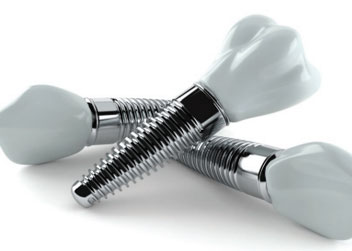
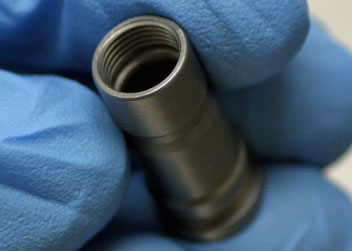
Medical device assembly requiring biocompatible bonding
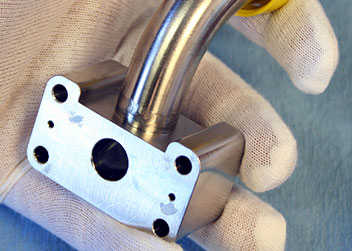
Sensor or gasket integration requiring a reliable seal
FAQ
Q: Why won't adhesive stick to certain plastics? +
A: Many engineering plastics have low surface energy, meaning liquids and adhesives do not wet or bond to the surface effectively without pretreatment.
Q: What is plasma treatment? +
A: A surface modification process that exposes a plastic component to ionized gas, raising its surface energy so adhesives, paints, and coatings can bond effectively. It changes only the outer surface chemistry, not the part's structural properties.
Q: What is surface modification in plastics manufacturing? +
A: A process that alters the surface energy of a plastic component, typically through plasma or corona treatment, to improve adhesion, paintability, and bonding without affecting the part's core mechanical properties.
Q: Can surface modification make a hydrophobic material bondable? +
A: Yes. Surface treatment can temporarily or permanently increase surface energy, improving wettability and adhesion even on naturally hydrophobic materials.
Struggling to get a coating or adhesive to hold?
Ask TriStar's surface modification team for an in-house treatment solution.